Examining How Payment Gateways Facilitate Access to Live Table Games and Jackpot Features in Mobile Settings Governed by National Laws
Skriven av Theo Otto · 2026-08-24
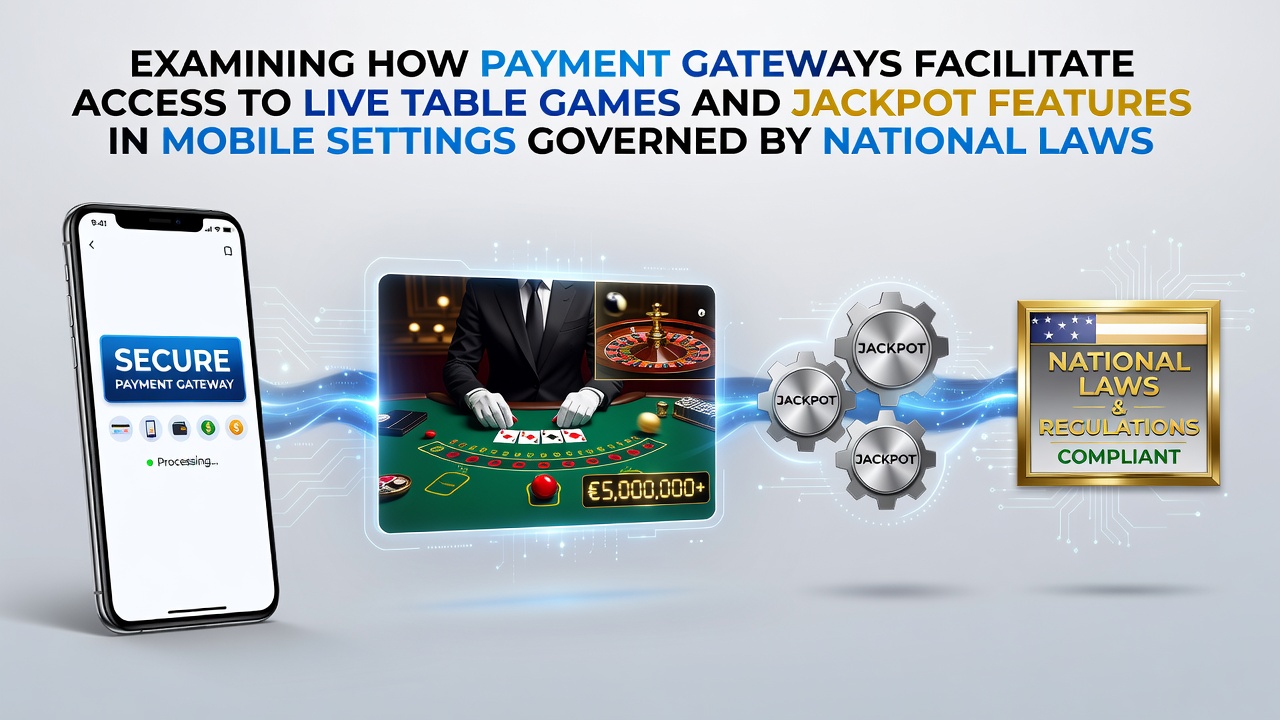
Examining How Payment Gateways Facilitate Access to Live Table Games and Jackpot Features in Mobile Settings Governed by National Laws
Payment gateways serve as the technical backbone that connects mobile users to live table games and jackpot systems while operating within the boundaries of national regulations, and these systems handle deposits, withdrawals, and real-time fund transfers that keep games running smoothly across devices. In regulated markets, gateways must comply with licensing requirements that vary by country, which means they incorporate verification protocols, encryption standards, and transaction monitoring tools to meet legal obligations set by government bodies.
Core Functions of Payment Gateways in Regulated Mobile Environments
Gateways process payments for live dealer tables where players place bets during ongoing rounds, and they manage the flow of funds into progressive jackpot pools that accumulate across thousands of mobile sessions simultaneously. National laws often require these gateways to support instant verification of player identity before allowing access to high-stakes tables or jackpot entries, which reduces the risk of unauthorized participation. Data from regulatory filings shows that gateways integrate with banking networks and digital wallets to enable low-latency transfers, something essential for live games that demand immediate balance updates.
Observers note that gateways also enforce spending limits and cooling-off periods mandated by law in several jurisdictions, while routing transactions through monitored channels that flag suspicious patterns in real time. In August 2026, updates to mobile transaction reporting rules in multiple regions prompted gateways to adopt enhanced audit trails that document every transfer linked to jackpot contributions and live table activity.
Integration with Live Table Games Under National Oversight
Live table games on mobile platforms rely on gateways to authorize bets placed via app interfaces, and these systems connect directly to operator servers that stream dealer actions while updating player balances without delay. Researchers have documented how gateways in markets such as certain Australian states and Canadian provinces must align with local gaming control boards that specify acceptable payment methods and require segregation of player funds from operational accounts. This setup allows players to fund sessions for games like blackjack or roulette while gateways apply currency conversion and tax withholding where national statutes demand it.
Security Protocols and Compliance Mechanisms
Encryption layers within gateways protect card details and account information during mobile transfers, and national laws frequently mandate third-party certifications that verify these protections meet industry benchmarks. Take one operator in a North American jurisdiction that implemented gateway upgrades to satisfy new biometric authentication rules, which resulted in faster approval times for live table access without compromising oversight requirements. Gateways further support geo-fencing technology that restricts services to approved regions, ensuring compliance with cross-border restrictions enforced by regulatory agencies.
Support for Jackpot Features in Mobile Settings
Jackpot systems draw contributions from each qualifying bet processed through gateways, and these platforms track contributions across mobile networks while distributing winnings according to rules outlined in national gaming legislation. Figures from industry reports indicate that gateways facilitate seed funding for new jackpot cycles and handle the verification steps needed before large payouts reach player accounts. In jurisdictions with strict anti-money laundering statutes, gateways must pause jackpot claims until additional documentation clears compliance checks, which adds layers of review that protect both operators and users.
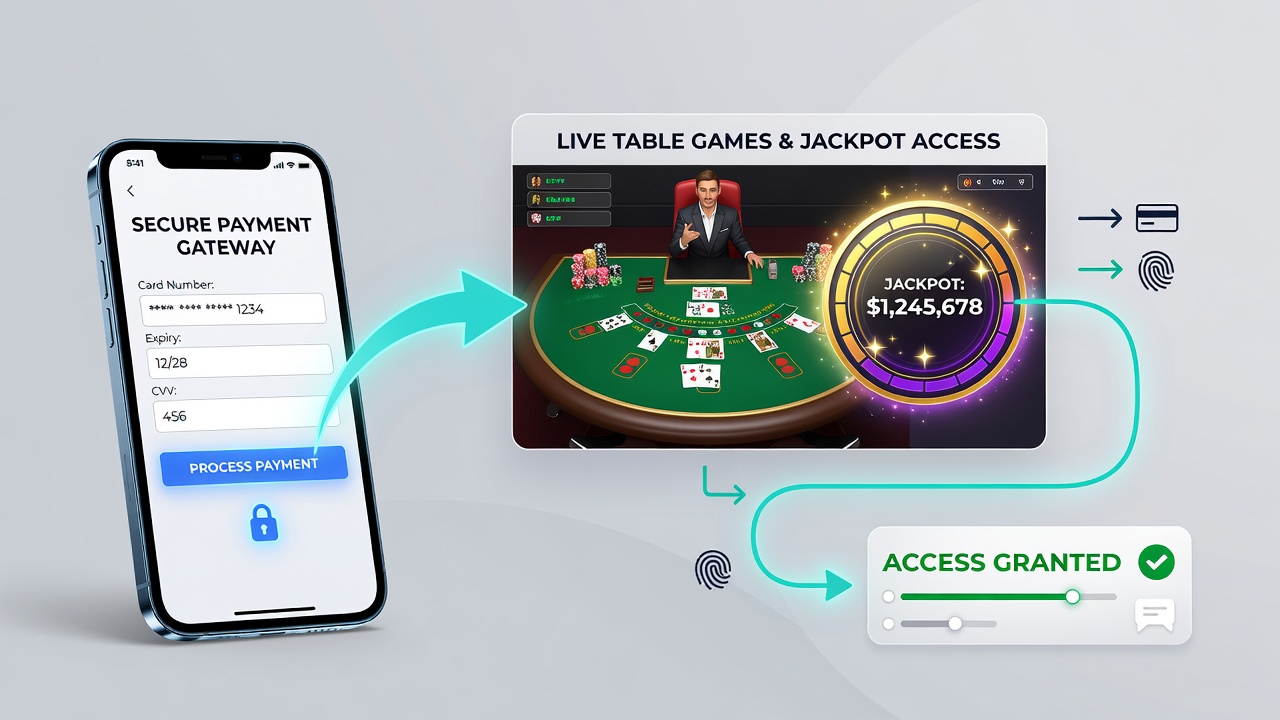
What's interesting is how gateways in places like Singapore and certain European Union member states now link jackpot access to centralized player databases that record all prior activity, which helps enforce responsible gaming caps set by law. This integration means a single gateway transaction can simultaneously update a live table balance and contribute to a shared jackpot pool while logging the event for later regulatory review.
Regional Variations in National Regulatory Frameworks
Countries apply different standards to gateway operations, and those who study these systems find that the United States relies on state-level gaming commissions to approve specific payment processors for mobile use, whereas Australia’s framework emphasizes consumer protection through mandatory transaction reporting to federal authorities. Research indicates that gateways serving Canadian markets often incorporate additional verification steps tied to provincial licensing, which affects how quickly players can join live tables or claim jackpot prizes. These variations create a patchwork where gateway providers must maintain separate compliance modules for each jurisdiction they serve.
Industry organizations such as the American Gaming Association have published data showing increased adoption of tokenized payment methods that reduce direct exposure of financial details during mobile jackpot entries. At the same time, academic studies from Canadian research institutions highlight how gateway logs assist regulators in auditing jackpot fairness and payout timelines across mobile platforms.
Technical Adaptations for Mobile Live Gaming
Mobile applications integrate gateways through APIs that handle session-based funding, allowing seamless transitions between live table play and jackpot participation without leaving the app environment. National laws require these APIs to support audit-ready data exports, which operators use to demonstrate adherence to rules governing prize pools and transaction integrity. Gateways also manage chargeback requests and dispute resolutions in line with consumer protection statutes that differ from one country to the next.
Conclusion
Payment gateways remain central to the operation of live table games and jackpot features on mobile devices because they bridge user transactions with the strict requirements of national laws across diverse regions. As regulatory environments continue to evolve, these systems adapt by incorporating new verification tools and reporting functions that maintain access while upholding legal standards set by government authorities. The ongoing development of gateway technology reflects the need to balance player convenience with the oversight demands that define regulated mobile gaming markets worldwide.